
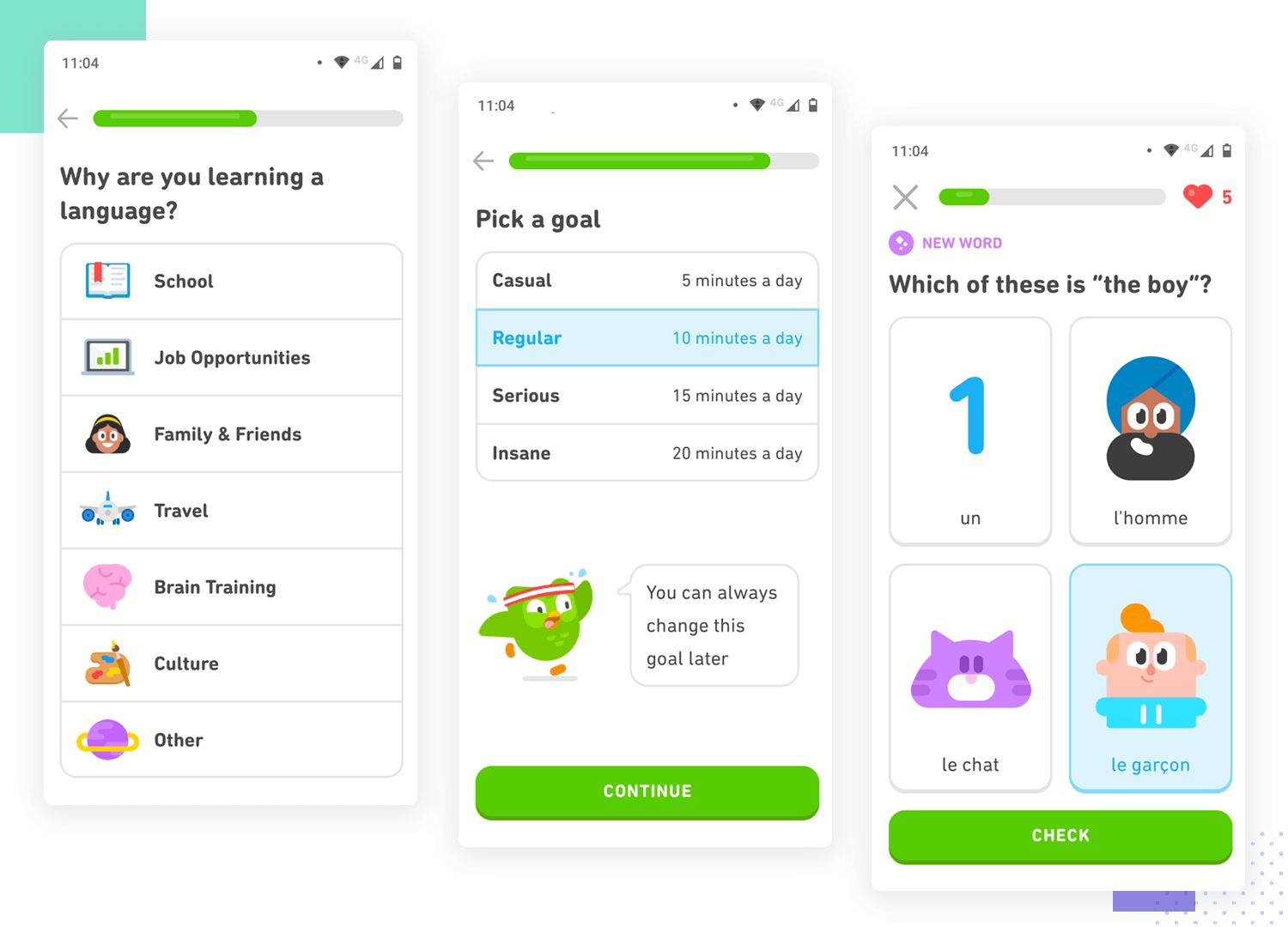
Building a Minimum Viable Product (MVP) is a crucial step for startups to validate their ideas, engage early users, and attract investors. While an MVP focuses on delivering core functionalities, design plays a vital role in ensuring it is both effective and appealing. A well-designed MVP can make a strong impression on users and help capture investor interest.
Design for Usability and Simplicity
The success of an MVP depends on its ease of use. Early users should instantly understand the product's value and how to navigate it. A clean, intuitive design is essential for this. Focusing on usability ensures that users can engage with the core features effortlessly, leading to better feedback and higher retention rates.
Tip: Create simple user flows and use wireframes to test and refine the MVP’s design quickly. Prioritize features that are central to solving the user’s problem.
Make a Strong First Impression
First impressions are critical, especially when introducing a new product. A visually appealing design not only attracts users but also builds credibility and trust. A polished MVP suggests a well-thought-out product and a team that cares about quality.
Tip: Invest in clean visuals and consistent branding for your MVP. Even simple design elements, like high-quality icons and a cohesive color palette, can significantly enhance the product's appeal.
Use Design to Gather Feedback
A good MVP is more than a prototype; it’s a tool for learning. Well-designed feedback loops—such as in-app surveys, user testing, and analytics—can help startups gather valuable insights to refine the product. Design choices should facilitate easy feedback collection and analysis to drive informed iterations.
Tip: Incorporate feedback mechanisms directly into your MVP and use tools to track user behavior. Combine quantitative data with qualitative insights to guide your next steps.
Attracting Investors with a Polished MVP
Investors look for products that solve real problems and have the potential to scale. A well-designed MVP demonstrates the startup’s ability to execute effectively and appeal to users, making it a more attractive investment. High-quality design showcases a strong vision and capability, signaling that the product is ready for the next phase of growth.
Tip: Highlight the role of design in achieving early traction and user satisfaction when presenting to investors. Show how thoughtful design choices have contributed to user engagement and retention.
Conclusion
Design is a critical element in creating a successful MVP that not only attracts users but also captures investor interest. By focusing on usability, aesthetics, and feedback, startups can craft an MVP that validates their ideas and lays a strong foundation for growth. Great design is not just a nice-to-have; it’s a strategic tool for building a viable and investable product.

